Emotional Regulation in High-Stimulus Environments
TL;DR
If you regularly feel overwhelmed, irritable, anxious, or exhausted after spending time in busy, noisy, or crowded environments, this blog is for you. High-stimulus environments require your nervous system to process a large amount of information at once. When you are already carrying chronic stress, trauma, anxiety, burnout, or sensory sensitivity- you may have less capacity available to filter that input.
This can be especially relevant for neurodivergent adults, including people with autism, ADHD, or AuDHD. Therapy can help you better understand your nervous system, build emotional regulation skills, and develop practical coping strategies that work in real life.

Feeling Overwhelmed in Busy Environments Is More Common Than You Think
Maybe you can enjoy a crowded event but feel completely drained afterward, loud restaurants make you irritable, grocery stores leave you overwhelmed, or busy social events make you feel anxious in public and ready to leave.
You may not always recognize sensory overload in the moment. Sometimes it shows up later as exhaustion, brain fog, irritability, or the feeling that you cannot make one more decision.
This does not necessarily mean you are being “too sensitive.” Your nervous system may simply be working hard to process more information than it can comfortably manage.
For people living with trauma, chronic stress, anxiety, or burnout, a busy environment can push an already activated nervous system beyond its available capacity. Neurodivergent adults may also experience sensory input differently. Autism, ADHD, and AuDHD can affect sensory processing, attention, and the amount of energy required to navigate social and environmental demands.
Our therapists can support clients in exploring how neurodivergence, sensory sensitivity, anxiety, trauma, and emotional regulation may intersect.
What's Actually Happening in Your Nervous System
Your nervous system is constantly taking in information from your environment. Sounds, lights, movement, conversations, smells, social expectations, and other sensory experiences all require some level of processing.
In calm environments, your brain can often filter out information that is not important. In high-stimulus environments, it has to work much harder to decide what deserves your attention. This can lead to sensory overload.
When you have been living with chronic stress, your nervous system may already be accustomed to staying activated. This can happen because of trauma, anxiety, relationship stress, burnout, caregiving, or years of feeling like you have to stay productive and prepared. Your nervous system adapts to the environment it has to survive.
When your system is already working hard to stay alert, there may be less capacity left for a loud restaurant, crowded event, airport, family gathering, or busy work environment. Trauma therapy can help people understand how past experiences may contribute to chronic activation and difficulty feeling regulated in the present.
Signs Your Nervous System Struggles to Keep Up
Sensory overload does not always look like panic. Sometimes it looks like shutting down, becoming unusually quiet, getting irritable, or feeling completely exhausted after something you were excited to attend.
You might notice:
Feeling anxious, trapped, or desperate to leave
Becoming unusually irritable or short-tempered
Difficulty following conversations
Brain fog or trouble making decisions
Feeling emotionally overwhelmed by small things
Muscle tension, headaches, or physical discomfort
Restlessness or difficulty relaxing
Needing significant time alone after being around people
For some people, anxiety in public is connected to fear. For others, the nervous system may be overwhelmed by the amount of sensory and social information it is trying to process.
How Therapy Can Help You Build Real-World Regulation Skills
Therapy can help you understand what happens before, during, and after you become overwhelmed. The goal is not to eliminate every difficult feeling or force yourself to tolerate environments that repeatedly leave you depleted. Instead, therapy can help you build more awareness, flexibility, and capacity for nervous system regulation.
You may learn to:
Recognize your early signs of activation
Understand what lowers your capacity
Expand your window of tolerance
Process trauma or chronic stress that keeps your nervous system activated
Develop practical emotional regulation skills
Plan for sensory breaks and recovery time
Communicate your needs without excessive guilt
Distinguish between avoidance and honoring a legitimate need for rest
There is no single coping strategy that works for everyone. For neurodivergent clients especially, effective nervous system regulation may need to include individualized strategies that account for sensory needs, attention, energy, and executive functioning.
Our team of therapists can help clients explore how autism, ADHD, AuDHD, anxiety, trauma, and sensory sensitivity overlap. You do not have to separate every part of your experience in order to receive meaningful support.
You Don't Have to Keep Pushing Through
If busy environments regularly leave you feeling overwhelmed or depleted, you do not have to dismiss your experience or convince yourself to simply toughen up. Your nervous system may be communicating that it is carrying more than anyone realizes.
Therapy can help you understand the patterns underneath sensory overload, emotional dysregulation, chronic stress, burnout, and anxiety. At Steady Healing, our therapists can support you in developing real-world regulation skills while also making space for deeper emotional healing.
If you are ready to better understand your nervous system and explore therapy support, reach out to schedule a consultation and find out whether working with one of our therapists may be a good fit.
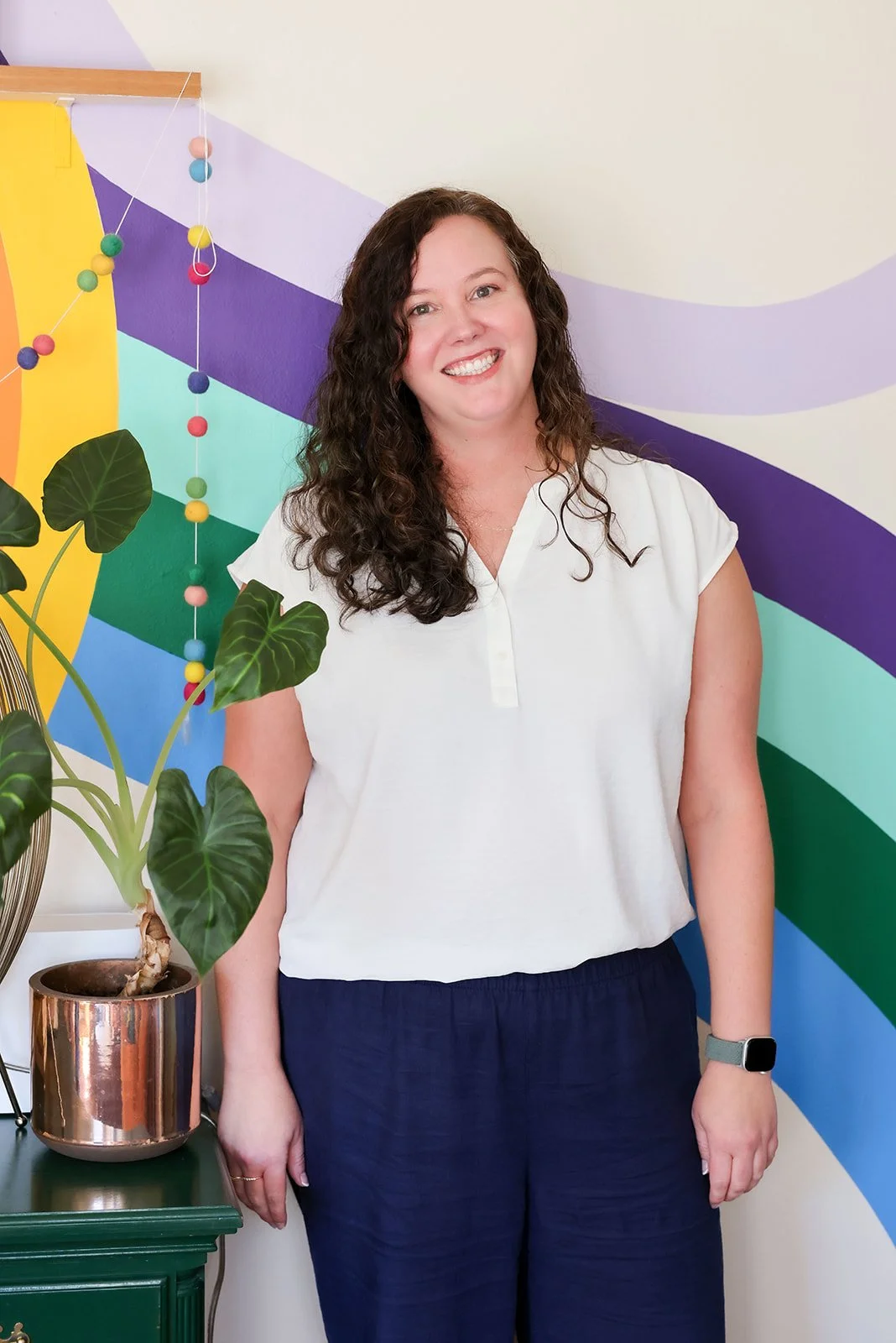
Meet Michelle
Michelle Spurgeon is a licensed therapist with over 15 years experience supporting clients in Dallas, Texas. She specializes in treating trauma, anxiety, and divorce using evidence-based treatments like EMDR to help clients feel unstuck and steady again. Michelle offers LCSW-Supervision in Texas and is an EMDRIA Approved Consultant who offers supportive space for EMDR therapists.