It is absolutely possible, and even common, to experience the lasting effects of difficult or traumatic experiences and benefit from targeted trauma therapies without being diagnosed with—or even meeting the criteria for—Post Traumatic Stress Disorder (PTSD).
Maybe you find yourself anxious about anything and everything, constantly seeking reassurance or worrying that the people you love will leave. Or you do well in school or at work and appear to have it together, but internally feel incompetent, not good enough, or unsure of your place in relationships.
You might struggle with:
anxiety
depression
feeling chronically misunderstood
people-pleasing or feeling responsible for keeping everyone else happy
perfectionism.
Sometimes, these patterns are difficult to explain. You may have grown up in a loving family, or you may not be able to point to one particular event that seems “bad enough” to call traumatic. Some clients we work with question whether their experiences count.
These struggles can have many causes, and they don't automatically mean you've experienced trauma. But sometimes, they are connected to past experiences that continue to shape how we see ourselves, our relationships, and the world around us.
It is absolutely possible, and even common, to experience the lasting effects of difficult or traumatic experiences and benefit from targeted trauma therapies without being diagnosed with—or even meeting the criteria for—Post Traumatic Stress Disorder (PTSD).

What is the Difference Between Trauma and PTSD?
The word trauma is used in different ways across clinical practice and mental health research. In sessions with clients we often summarize trauma can be anything that overwhelms your ability to cope.
Let’s look at a few definitions that help explain why someone can experience trauma without meeting the criteria for PTSD:
The American Psychological Association describes trauma as “any disturbing experience that results in significant fear, helplessness, dissociation, confusion, or other disruptive feelings intense enough to have a long-lasting negative effect on a person’s attitudes, behavior, and other aspects of functioning.”
The Substance Abuse and Mental Health Services Administration (SAMHSA) defines trauma as “an event, series of events, or set of circumstances that is experienced by an individual as physically or emotionally harmful or life threatening and that has lasting adverse effects on the individual’s functioning and mental, physical, social, emotional, or spiritual well-being.”
Francine Shapiro, the founder of EMDR Therapy, states that “any event that has a lasting negative effect on the self or psyche is by its nature traumatic.” (Shapiro, 2018, Eye movement desensitization and reprocessing (EMDR) therapy: Basic principles, protocols, and procedures (3rd ed.). Guilford Press.)
The distinction becomes important when we look at how the Diagnostic and Statistical Manual of Mental Disorders, which clinicians utilize to guide diagnosis of mental health diagnoses, defines trauma for the purpose of diagnosing PTSD.
For a PTSD diagnosis, a person must have been exposed to actual or threatened death, serious injury, or actual or threatened sexual violence. There are additional specific criteria for how that exposure occurred, and the person must also experience a particular pattern of symptoms, lasting more than a month and causing significant distress or impairment in their daily life.
In other words, the criteria for PTSD are much more specific than some of the broader definitions of trauma used in clinical practice.
While a diagnosis of PTSD establishes that someone has experienced a qualifying traumatic event and is experiencing a specific pattern of symptoms, the absence of a PTSD diagnosis certainly does not indicate that a person has not experienced trauma.
Many trauma-focused clinicians and treatment approaches look beyond the specific events required for a PTSD diagnosis. They also consider how a person experienced something and whether it continues to negatively impact their life.
What Experiences Can Lead to Trauma?
Defining trauma in this more inclusive way allows us to look at the long-term impact of an event rather than analyzing the event itself. This is important because, as Dr. Gabor Maté, renowned physician, speaker, and author, explains, “Trauma isn’t what happens to you, it is what happens inside you as a result of what happens to you.” (Bramley, 2023).
Consider someone who is particularly sensitive to the emotional cues of the people around them. If they repeatedly experience misattunement, misunderstanding, harsh words, or inconsistent emotional responses from people they depend on, they may begin to interpret those experiences as evidence that their needs are too much, that they are not good enough, or that they are somehow the problem.
Over time, beliefs like “I'm unlovable,” “I'm too much,” “I'm not enough,” or “something is wrong with me” can become deeply ingrained. They may continue to influence how that person responds to relationships, conflict, mistakes, or uncertainty long after those original experiences have passed.
These beliefs begin to feel like unquestionable truth over time, leaving you unsure how to show up in the world, or causing you to show up in ways you wouldn’t want to. Trauma-focused therapy can help this- in re-processing and ultimately changing these beliefs that feel so true, yet no longer serve us and even keep us stuck.
When we look at trauma through this lens, we recognize that the same thing can happen to two different people with different temperaments and life experiences, yet it is possible for only one of them to walk away with trauma. In other words, it isn’t just the event that defines trauma, but how it shows up in our lives.
The lasting impact of an experience is an important part of understanding trauma. Sometimes, an experience—or a pattern of experiences—leaves us with beliefs about ourselves, our relationships, or how the world works that continue to negatively impact our everyday lives.
The effects can show up in many different ways, from persistent beliefs about ourselves and our relationships to symptoms that meet the criteria for a mental health disorder such as PTSD. A diagnosis helps identify a specific way trauma can impact us, but it doesn’t determine whether someone’s experiences matter or whether they can benefit from therapy.
Can Trauma Therapy Help If You Don’t Have PTSD?
Trauma therapy might be worth exploring when your experiences have made it difficult to live whole-heartedly. Here are some common ways the effects of trauma can show up:
· Low self-esteem or feeling like you’re never good enough
· Believing people will always leave, hurt, or disappoint you
· Feeling like you can’t control your anger or sadness (lashing out, crying over “nothing”)
· A strong need to escape or numb out (TV, doomscrolling, substances, etc.)
· Persistent anxiety or feeling constantly on edge
· People-pleasing and perfectionism
· Strong fear of abandonment
· Feeling paralyzed by overwhelm
· Trying to fix other people or feeling responsible for their happiness
Trauma can show up in our lives in a myriad of ways. You don’t have to compare your experiences to someone else’s or decide whether what happened to you was “bad enough” to seek help. If something continues to negatively impact your life, it is worth giving yourself the opportunity to heal.
You don’t necessarily need clear, detailed memories of what happened to begin exploring your experiences in trauma therapy. Sometimes, the memory is fuzzy—we can work with that. Sometimes, you may remember how an experience felt more clearly than the details of what happened.
We can work with that. Bring whatever you know about your experience, along with whatever is coming up in your life now. We can start there and work together to understand what is affecting you and navigate your healing journey.
Would you rather live and feel differently?
If you're in the Dallas area and wondering whether trauma therapy might be right for you, I invite you to reach out to Steady Healing. Our therapists will guide you through using Eye Movement Desensitization and Reprocessing (EMDR) therapy.
You don't need a PTSD diagnosis or perfectly clear memories to start a conversation about what you've been experiencing. You deserve the opportunity to feel differently, and I'd be honored to help you explore what healing can look like either in our Dallas office or online sessions across Texas.

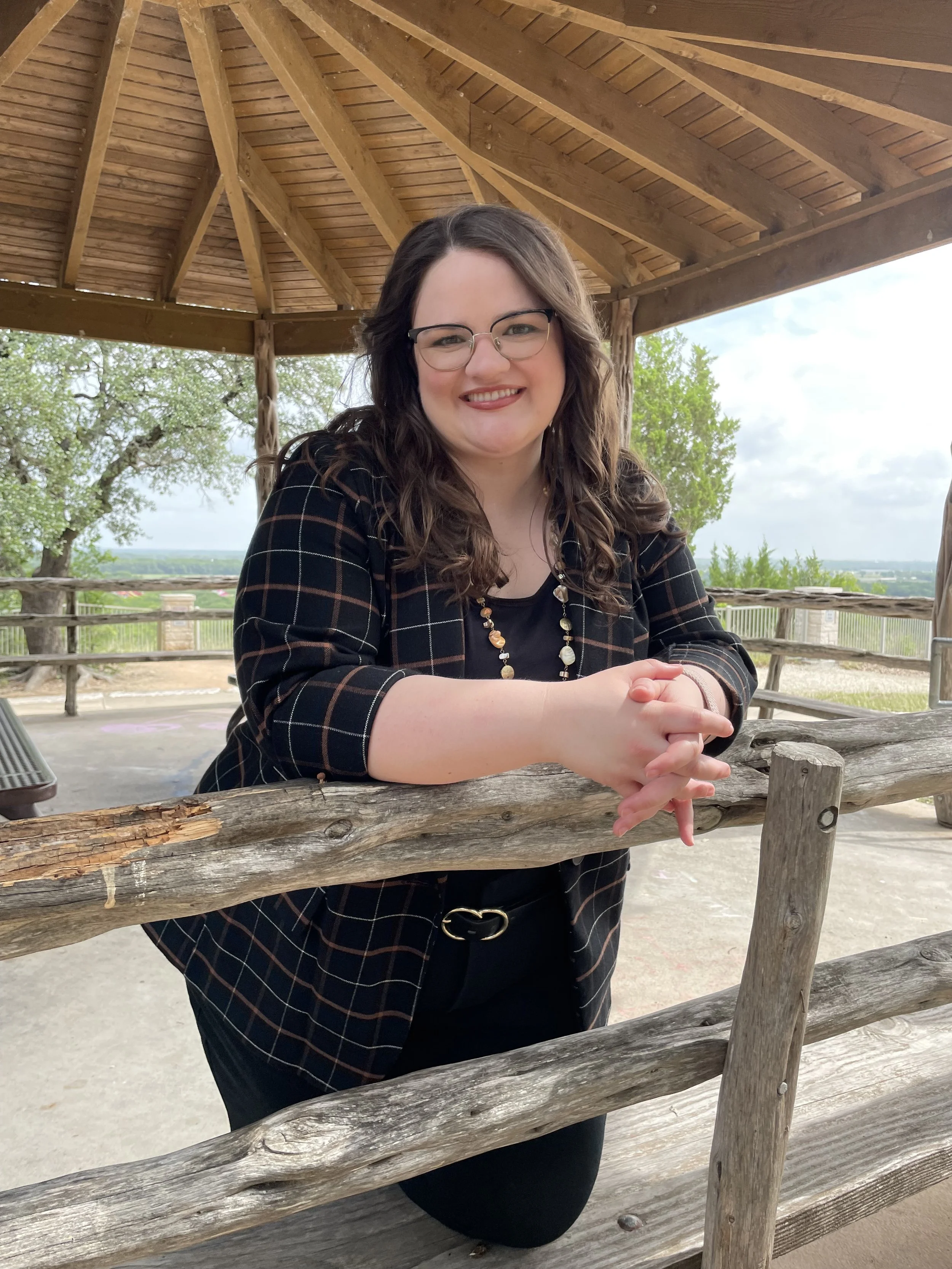
Meet Your Dallas Trauma Therapist
Krista Bass is a LMSW with experience supporting adult and teen clients in Dallas, TX. She specializes in trauma (childhood trauma, religious trauma, and relational trauma), and supporting teens who are anxious or feel stuck. She uses evidence-based approaches like EMDR Therapy to help clients get unstuck from shame and grow into their authentic self. At Steady Healing, she provides compassionate care both in-person and online for clients across Texas. Krista offers late afternoon and evening therapy appointments and is accepting new clients. Krista is trained in Coherence therapy & EMDR therapy and under supervision by Michelle Spurgeon, LCSW-Supervisor.