When You’ve Tried Therapy and It Didn’t Help
One of the hardest things we hear from prospective clients is, "I've already tried therapy, and it didn't help." Sometimes those words are spoken with disappointment. Sometimes they're spoken with skepticism. Often, they're spoken with the quiet fear that maybe healing just isn't possible. If that's where you are, we want you to know something important:
A therapy experience that wasn't helpful does not mean you can't heal. It simply means that what you experienced may not have been the right fit for what you needed.
The quality of the therapeutic relationship, the type of therapy, and the pace of treatment all matter- especially for trauma survivors. There are many reasons therapy didn't help before—and many reasons a different experience could feel completely different.

Why Therapy Didn't Help (And Why It Doesn't Mean You Can't Heal)
It can be incredibly discouraging to invest your time, money, and emotional energy into therapy only to leave feeling stuck. You may have hoped things would finally get better, only to find yourself repeating the same patterns, feeling emotionally overwhelmed, or wondering why you understood your struggles intellectually but still couldn't change them.
That's not because you weren't trying hard enough. Healing is deeply personal, and no single therapy approach that works for everyone.
You Never Felt Truly Safe Enough
Trauma healing happens within the context of safety.
If you didn't feel emotionally safe with your therapist, it makes sense that deeper healing felt difficult. Safety doesn't necessarily mean your therapist wasn't kind or competent. Sometimes personalities simply aren't the right match, trust takes longer to build, or you never felt fully understood.
When your nervous system doesn't experience enough safety, it naturally stays in protection rather than processing. One of the strongest predictors of successful therapy isn't a specific technique—it's the therapeutic relationship itself. Feeling seen, respected, and emotionally safe creates the foundation that deeper work is built upon.
You Needed a Different Type of Trauma Therapy
Many people spend years talking about what happened without ever processing how those experiences continue to live inside their bodies.
Traditional talk therapy can be incredibly valuable, but trauma often requires more than insight alone. Many trauma survivors already know why they react the way they do. They understand the patterns. They can explain their childhood. They've read the books. Yet their body still goes into panic during conflict. Their nervous system still feels constantly on alert. Relationships still feel exhausting. That's because trauma isn't stored only as a story—it's also stored within the nervous system.
Specialized trauma therapy approaches such as EMDR help people move beyond understanding their experiences toward actually processing them so they no longer carry the same emotional intensity.
You Felt Like Therapy Was Moving Too Slowly
Weekly therapy works beautifully for many people. For others, especially when they're feeling overwhelmed or deeply feeling stuck in therapy, the pace can feel frustrating. You may spend half of every session catching your therapist up on the week before there's enough time to do meaningful work.
Then another week passes. By the next appointment, you're managing a new crisis or trying to remember where you left off.
Some clients need longer, uninterrupted time to move through the deeper layers of healing rather than stopping just as important work begins. That doesn't mean weekly therapy is ineffective—it simply means a different format, like EMDR intensives, may better fit your needs right now.
Your Nervous System Was Never Part of the Conversation
Trauma isn't only about memories. It's about how your body learned to survive. Many survivors live with chronic tension, hypervigilance, emotional flooding, shutdown, perfectionism, people-pleasing, or feeling disconnected from themselves.
If therapy focused only on changing thoughts without helping your nervous system learn safety, regulation, and flexibility, it may have felt like something was missing. Healing often happens when both your mind and body are included in the process.
Finding the Right Therapist Matters
Choosing a therapist is about far more than credentials. It's about finding someone whose approach, personality, experience, and pace fit your needs. Finding the right therapist can take time, and it's okay to ask questions before getting started. Our therapists offer a free phone consultation to do a vibe check and ask questions before investing time, energy, and money into the counseling process.
Questions you may want to ask a potential therapist:
how they approach trauma.
what happens if you feel stuck.
how they know therapy is working.
whether they offer different treatment formats if weekly sessions aren't creating the progress you're hoping for.
A good therapist will work collaboratively with you to find an approach that supports your healing, and if they aren’t the best fit, they will help you connect to other therapists.
If Therapy Didn't Help Before, Don't Give Up on Healing
If you've had a disappointing therapy experience, I understand why starting again might feel difficult. You may wonder if it's worth risking hope one more time. But one experience doesn't define what therapy can become. The right therapist, approach, and format can make all the difference.
Whether that's specialized trauma therapy, EMDR, or therapy intensives, healing is often less about trying harder and more about finding an approach that truly meets your nervous system where it is. We hope you find support that helps you move beyond simply understanding your story—you deserve support that helps you experience lasting change.
If you've been discouraged because therapy didn't help in the past, our therapists would be honored to help you explore what might feel different this time. Whether you're interested in weekly trauma therapy or therapy intensives, we can talk about your previous experiences, what felt missing, and what you're hoping for moving forward. You don't have to decide that healing isn't possible just because one approach wasn't the right fit. We offer free phone consultations before you book.
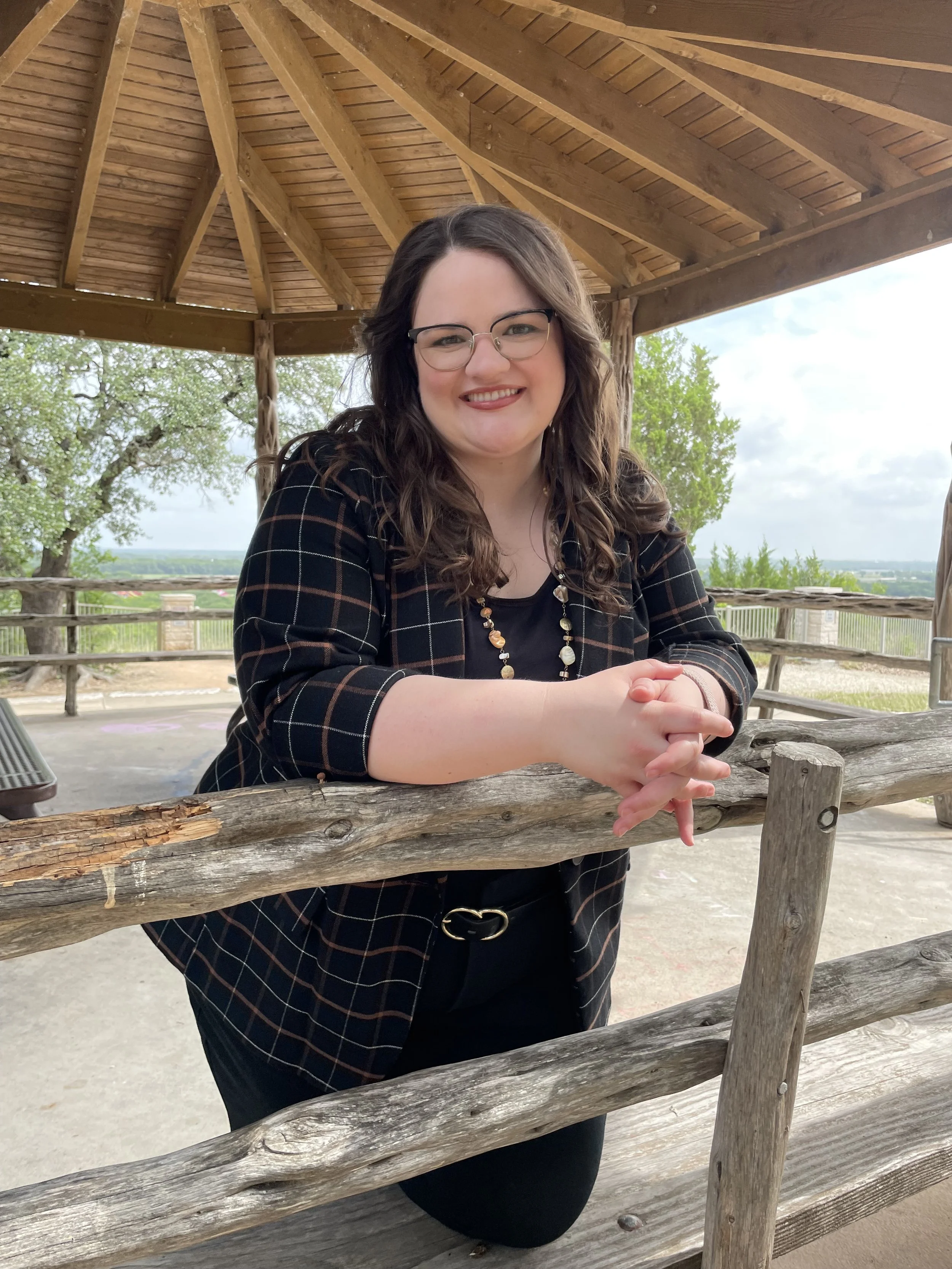
Krista Bass
Krista Bass is a LMSW with experience supporting teen and adult clients in Dallas, TX. She specializes in anxiety, trauma, and and supporting teens. She uses evidence-based approaches like EMDR Therapy to help clients get unstuck from shame and grow into their authentic self. At Steady Healing, she provides compassionate care both in-person and online for clients across Texas. Krista offers late afternoon and evening therapy appointments and is accepting new clients.

Michelle Spurgeon
Michelle Spurgeon is a licensed therapist with over 15 years experience supporting clients in Dallas, Texas. She specializes in treating trauma, anxiety, and divorce using evidence-based treatments like EMDR to help clients feel unstuck and steady again. At Steady Healing, she is committed to providing thoughtful, expert care both in-person in Dallas and online for clients across Texas, Florida, Louisiana, and Virginia.