
Blog

How Trauma Impacts Focus and Executive Function
Struggling with focus, memory, planning, or follow-through isn’t always about motivation—or ADHD. Trauma and chronic stress can keep the nervous system in survival mode, reducing the brain’s capacity for executive function, sustained attention, and memory. This article explores the connection between trauma and focus and how trauma therapy and nervous system regulation can help rebuild that capacity.

Emotional Regulation in High-Stimulus Environments
If you regularly feel overwhelmed, irritable, anxious, or exhausted after spending time in busy, noisy, or crowded environments, you are not alone. High-stimulus environments require your nervous system to process a large amount of information at once. When you are already carrying chronic stress, trauma, anxiety, burnout, or sensory sensitivity, you may have less capacity available to filter that input. Therapy can help you better understand your nervous system, build emotional regulation skills, and develop practical coping strategies that work in real life.

Healing from Religious or Family Rejection: Why These Wounds Run So Deep
Learn how family rejection and religious trauma affect your nervous system, self-worth, and relationships. Discover how trauma therapy supports emotional healing and lasting recovery.

When You’ve Tried Therapy and It Didn’t Help
If you've tried therapy before and left feeling disappointed, discouraged, or unchanged, you're not alone. This post explores common reasons therapy may not have felt effective, why the right therapist and approach matter, and how specialized trauma therapy and therapy intensives can create meaningful change when previous therapy experiences haven't helped.

Why Perfectionism Might Be a Survival Strategy
Perfectionism is often praised externally while feeling exhausting internally. For many adults, perfectionism develops as a trauma response connected to attachment wounds, anxiety, and the need to feel safe or accepted. Learn how therapy and EMDR can help address the deeper roots of perfectionism with compassion and support.

Why You Feel Anxious When Resting (And How to Feel Safe Slowing Down)
This post explores why rest can feel uncomfortable or unsafe for high-achieving adults, especially those impacted by trauma or chronic stress. It explains how nervous system dysregulation contributes to anxiety during rest, offers relatable examples of how this shows up, and highlights how therapy support can help individuals gradually build capacity for rest, emotional safety, and sustainable nervous system regulation.

Is It Normal for Healing to Feel Messy? What to Expect in Trauma Recovery
Is it normal for healing to feel messy? Learn why trauma recovery is non-linear, how emotional healing includes setbacks, and how therapy support helps you stay grounded in your healing journey.
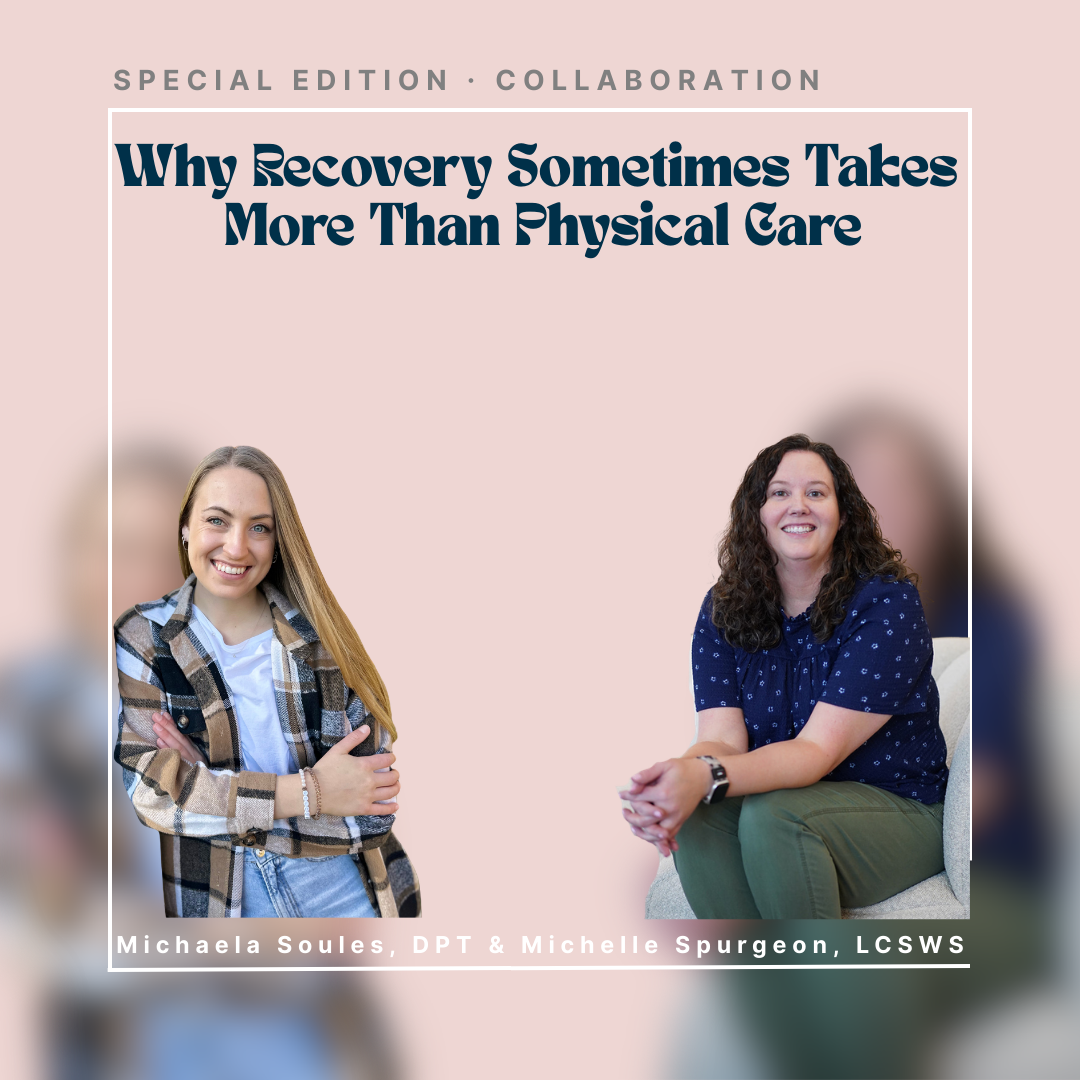
Why Recovery Sometimes Takes More Than Physical Care
Injury or surgery doesn’t just affect the body- it can affect your nervous system, identity, sense of safety, and trust in yourself. Yet most recovery plans focus almost exclusively on the physical needs: range of motion, strength, post-op timelines, and milestones in physical therapy.
This blog shares from two different helping professionals who support folks pre and post surgery and in recovery from injuries. Dr. Michaela Soules PT, DPT is a dedicated physical therapist and certified life coach who created Soul Strength for one purpose: empower clients to successfully navigate their recovery after surgery or life-altering injuries. Michelle Spurgeon, LCSWS is an EMDR therapist who can support clients pre-surgery or in recovery to create effective coping plans, heal from medical trauma or strengthen their inner-self for recovery.

Why Can’t I Think My Way Out of Anxiety or Trauma Triggers?
Many of the clients I work with already have a deep understanding of their patterns. They can trace reactions back to childhood experiences, past relationships, or major losses. They’re not lacking awareness.
What they’re missing is a way to help their body feel something different, not just understand it.Approaches like EMDR help access the parts of the brain where these reactions are actually stored. Rather than endlessly rehashing the story, we work with how the experience lives in your body and nervous system—so it can finally update.

A Deeper Way to Start the New Year: Therapy Intensives Explained
Looking for deeper new year therapy support? Learn how therapy intensives and EMDR intensives support insight, regulation, and lasting change.

How to Navigate Grief During the Holidays
Your grief doesn’t disappear just because the calendar says it’s time to celebrate. Grief during the holidays can feel heavier because the absence of your loved one is felt more deeply. With the right holiday grief support, it’s possible to move through this season with more gentleness, intention, and care.

Therapy Intensives Are a Partnership: Here’s How We Work Together
Therapy intensives are a collaborative partnership between client and therapist, creating space for faster, deeper healing. Learn how working together in a therapy intensive supports your trauma recovery and emotional growth.

Understanding the impact of trauma on mental health
If you have experienced trauma and now struggle with your mental health, it is important to remember: this is not a flaw in your character. Developing PTSD or other trauma-related challenges is your brain and body’s natural response to overwhelming experiences. Trauma and mental health are deeply connected, and understanding that connection is the first step toward healing.

Therapy Intensives for Personal and Relational Healing
Therapy intensives are a flexible, focused way to work on your emotional health—whether you’re recovering from trauma, feeling stuck in your personal growth, or looking to strengthen your relationship. They’re not just for “crisis mode.” In fact, many people use intensives to deepen the progress they’ve already made in therapy or to jump-start healing they’ve been putting off.

What to Expect Starting EMDR Therapy
If you’re new to EMDR or even to therapy in general, it’s completely normal to feel nervous or unsure about what to expect. Many people worry they’ll have to dive straight into painful memories or talk about everything all at once. But EMDR therapy, especially for beginners, begins gently and intentionally.