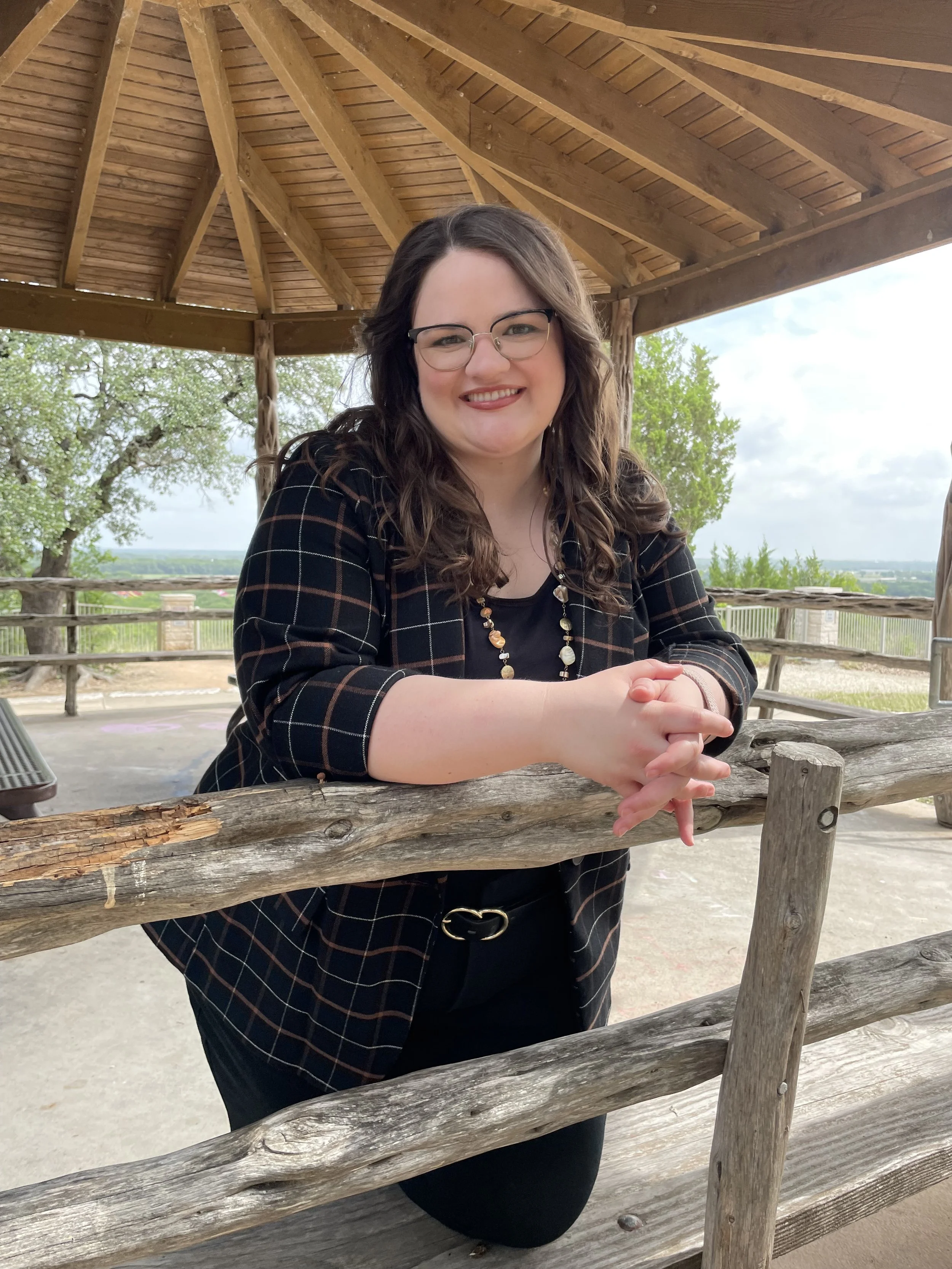
I spent years in therapy before I chose to become a therapist. I found comfort in the empathy of therapists who took the time to listen and care about my struggles. I gained skills, learned healthier communication, and connected my early experiences to my current behavior. I had so many diagnoses and subsequent treatments that it began to feel as though I was simply…broken.
Those years weren’t wasted, and I needed the foundation they gave me to step into deeper healing and breakthrough. They helped me understand what had happened to me and recognize that I’d experienced trauma throughout my life.
But nothing came close to helping me actually feel different about myself, the world, and my relationships. It helped me make sense of what I’d been through and how it was showing up, but understanding it intellectually wasn’t the same as feeling different.
It still felt nearly impossible to change my initial reaction to rejection, or to feel secure in a relationship. I “knew” the truth, but I couldn’t feel the truth yet.
It wasn’t until I found a therapist who was trained in Eye Movement Desensitization and Reprocessing (EMDR) therapy that I found the type of healing that truly set me free. Suddenly, I could feel the truth, not just acknowledge it in my mind. I could actually let go, truly forgive (when I wanted to, because forgiveness is not necessary to heal!). I started to experience joy, and build meaningful, lasting relationships that have carried me through the darkest of times.

Why Talk Therapy May Not Be Enough for Trauma
EMDR was the “magic” that brought my healing to the next level. It helped me process years of trauma and pain, giving me the capacity to live more fully and respond to life’s challenges in healthier ways.
The truth is that for a lot of us, reflecting on our experiences, changing our thoughts, and even making better decisions in our lives doesn’t always get to the heart of the problem. It just scratches the surface.
That’s because trauma is less about what happens to us and more about what happens inside of us. When we meet challenges that overwhelm our ability to cope, we can develop specific beliefs about ourselves and the world that we tend to carry with us throughout our lives. These can show up as deep feelings of worthlessness or shame, or a fear we will be abandoned.
These are what we call implicit learnings: emotionally charged beliefs that we are bad, broken, or helpless, or that people can’t be trusted. These are gut-level beliefs that stick with us whether we know the “truth” or not. It feels miraculous to finally let go of those haunting, gut-level beliefs. In reality, though, EMDR isn’t magic.
Implicit learnings operate separately from our conscious, logical understanding of ourselves and the world. That is why a therapist can tell us we have so much to offer in relationships, yet we still insist it’s not true.
No matter how many times we correct a thought, or how many times we recognize we do have worth and are loved, it won’t feel true. Our conscious understanding and our implicit emotional learnings can continue to conflict, leaving us knowing one thing intellectually while feelings something entirely different.
How EMDR Therapy Helps Process Traumatic Memories
These implicit learnings are connected to the ways we learn to protect ourselves from danger. The problem is, those protective responses can sometimes generalize to situations that aren’t actually dangerous, leaving us deflated and stuck in patterns that no longer feel like a choice.
One way to think about EMDR is that our brains are like a room full of filing cabinets, where each drawer stores different categories of the information we need on an everyday basis. As we sleep, our brains work to process and consolidate experiences and memories. I think of this as a way of filing away experiences for future use. When we are thirsty on a hot day, we can bring out the folder of “cool, refreshing beverages” and remember that iced water with a lemon will hit the spot.
When we experience something that exceeds our capacity to cope, those memories don’t get neatly filed away like our everyday experiences do. The emotions, sensations, and implicit beliefs connected to those experiences can continue to disrupt our lives.
Imagine living in hunter-gatherer days. If I went gathering with my friend and they ate a poisonous berry and died, my brain would strongly associate that type of berry with danger. In our filing cabinet analogy, it would be as though the file stayed open so I could remember to avoid it in the future.
The issue is that, since the file of experience is left open, the sense of danger starts to spread to other parts of my life. I might eventually refuse to eat any berries at all, or maybe even all fruit. I might be afraid to walk among the bushes, or leave the house. Maybe I’d avoid having close friendships that I could lose. These responses are driven by the implicit learnings that have attached themselves to the traumatic experience (e.g., all fruit is dangerous; going gathering is dangerous; friendship leads to loss).
EMDR therapy can help us process traumatic memories that continue to affect how we feel and respond in the present. During EMDR, we focus on a memory while using specific eye movements or other forms of bilateral stimulation. One way I understand this process is that it helps bridge the gap between what we know intellectually and what we have learned emotionally, allowing us to reprocess experiences rather than simply trying to think our way past them.
As we process these experiences, we can begin to recognize the implicit learnings attached to a memory while also using our logical mind to evaluate what we learned at the time. It’s as though our brain reviews the file and all the connections attached to it, and is able to say, “wait, I can eat other fruit, just not THIS particular poisonous berry!”
As that learning shifts, the distress we feel around eating fruit decreases, and we feel free. We haven’t forgotten what happened, or that it was hard. We don’t forget the important life lesson (e.g. don’t eat this poisonous berry), but we are able to let go of the implicit learning that all fruit is dangerous, that leaving the house is unsafe, or that close friendships will inevitably end in loss.
When Trauma Responses Show Up In Everyday Life
For so many of us, implicit learnings are shaping our thoughts, emotions, and reactions. Even when we do the “right thing” like connecting with others, we feel it is dangerous. Even when we know our partner means nothing by their question, we respond defensively. Even when we’ve promised ourselves we’ll stop taking our stress out on our kids, we snap at the drop of a hat.
The missing piece is helping our conscious understanding connect with the implicit emotional learnings that still shape our reactions—So logic can reach our emotions, and our experiences can inform our logic without taking over.
If you recognize yourself in these patterns and feel frustrated that understanding your experiences hasn’t been enough to change how you feel, EMDR therapy may be worth exploring. If you’re curious about working together, I invite you to book an inquiry call. We can talk about what you’re experiencing, what you hope will change, and whether working together feels like a good fit.
You can book a free 15-minute phone consult here, or call Steady Healing at 214-785-0086.

Meet Your Dallas EMDR Therapist
Krista Bass is a LMSW with experience supporting adult and teen clients in Dallas, TX. She specializes in trauma (childhood trauma, religious trauma, and relational trauma), and and supporting teens. She uses evidence-based approaches like EMDR Therapy to help clients get unstuck from shame and grow into their authentic self. At Steady Healing, she provides compassionate care both in-person and online for clients across Texas. Krista offers late afternoon and evening therapy appointments and is accepting new clients. Krista is trained in Coherence therapy & EMDR therapy and under supervision by Michelle Spurgeon, LCSW-Supervisor.