How to Set Boundaries for your Mental Health
If you’ve ever found yourself saying “yes” when you meant “no,” you’re not alone. Many people—especially those who identify as people-pleasers—struggle to set boundaries. In a world that often praises overcommitment, constant availability, and self-sacrifice, it can feel selfish or uncomfortable to draw the line. But in reality, boundary setting is a powerful form of self-care and improve relationships. It’s one of the most essential ways to protect your mental health, preserve your energy, and create relationships that feel balanced and supportive.

Why Boundaries Are So Hard to Set
There are many reasons why setting boundaries feels difficult:
Cultural messages may tell us that our worth is tied to productivity or how much we give to others.
Family or relational patterns may have taught us that saying “no” leads to rejection, guilt, or conflict.
Personal beliefs—like fearing disappointment or needing approval—can make it hard to put your own needs first.
When these dynamics are in play, it makes sense that boundary setting can feel foreign or even risky. But learning to establish healthy boundaries doesn’t mean shutting people out—it means creating space where both you and your relationships can thrive.
What Healthy Boundaries Look Like
Boundaries are often misunderstood. They aren’t about controlling others or creating rigid rules. Instead, healthy boundaries are about honoring your limits and choices while respecting the limits of others.
Examples of healthy boundaries in daily life include:
Telling a coworker, “I’m not available to answer emails after 6 p.m.”
Letting a friend know, “I can’t make it tonight, but I’d love to see you another time this week.”
Sharing with a partner, “I need some quiet time to recharge after work.”
Preparing yourself, “I will stay until 9pm because I need more sleep tonight”
Reminding yourself, “I can pick up on the vibes, but its not my responsibility to fix them.”
Notice how each of these examples is focused on your own actions and needs, rather than expecting someone else to change. Healthy boundaries are a way of caring for yourself—not demanding that others meet your expectations. Sometimes it’s even an agreement for yourself- and does not need to be communicated with someone else. Nedra Glover Tawwab gives great information about boundaries on her Instagram or in her books Set Boundaries, Find Peace or Drama Free
How Boundaries Improve Mental Health
When you begin practicing boundaries, you may notice:
Reduced stress and overwhelm from no longer overcommitting.
Improved self-esteem as you honor your own needs.
Healthier relationships because communication is clearer and more respectful.
More energy and focus since you’re not stretching yourself too thin.
Simply put, mental health and boundaries go hand in hand. When you set limits, you protect your emotional well-being and create space for the things that matter most.
How Therapy Can Help You Build Boundaries
While boundary setting may sound simple, putting it into practice can feel uncomfortable at first. That’s where therapy can help. A therapist can:
Provide tools and boundary setting tips tailored to your life.
Help you practice language for saying “no” or expressing needs.
Offer accountability as you learn new patterns.
Explore the deeper fears or beliefs that make boundaries hard for you.
In therapy, you don’t have to figure this out alone—you’ll have support, guidance, and encouragement as you practice creating boundaries in a way that feels authentic and sustainable.
Take the First Step
If you’re ready to stop people-pleasing and start protecting your mental health, boundary setting is the place to begin. Therapy can give you the tools and support to make it possible.
👉 Schedule a consultation today and take the first step toward creating stronger, healthier boundaries in your life.
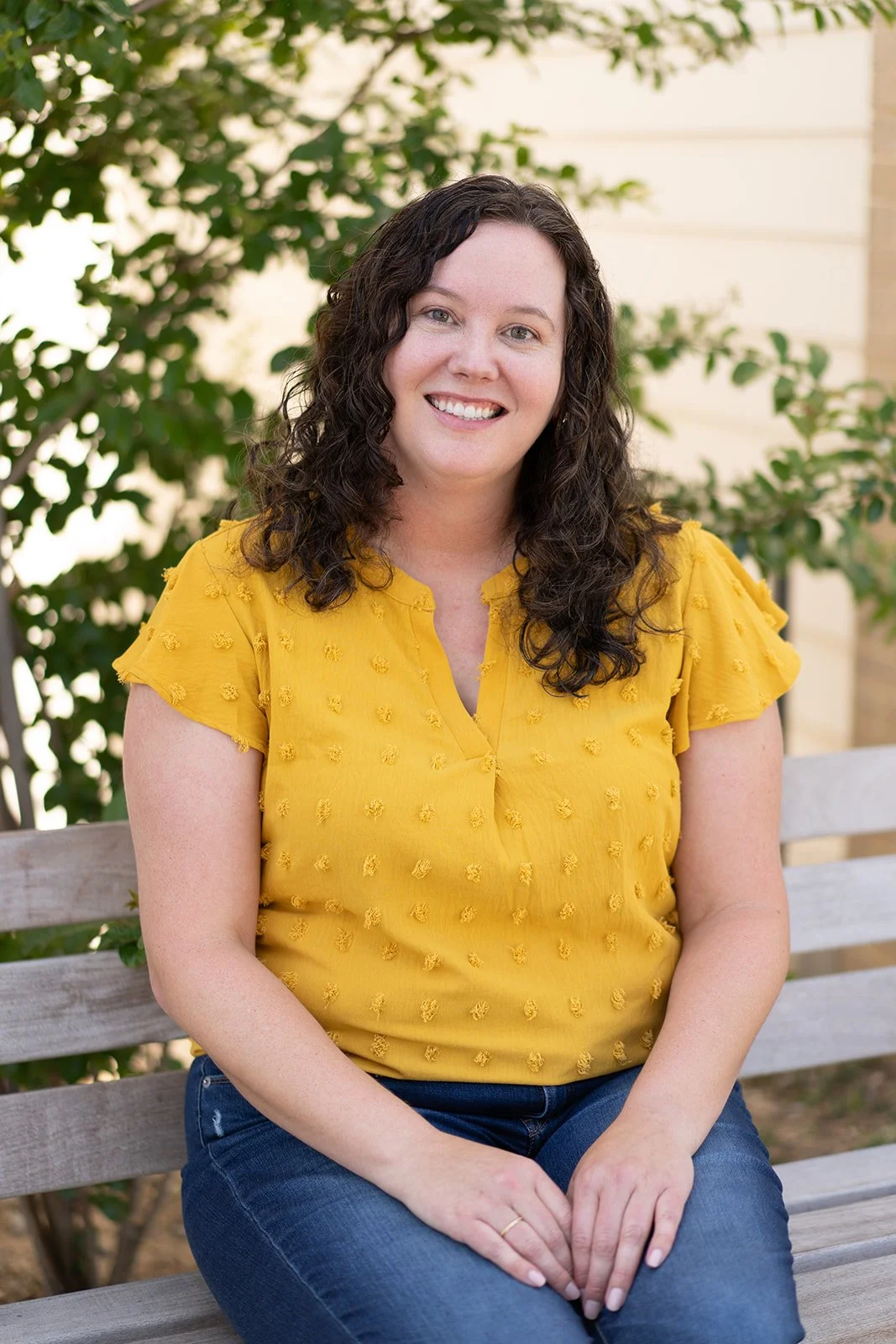
Michelle Spurgeon is a licensed therapist with over 15 years experience supporting clients in Dallas, Texas. She specializes in relational trauma, anxiety, and divorce and uses evidence-based treatments like EMDR to help clients feel unstuck and steady again. At Steady Healing, she is committed to providing compassionate, expert care both in-person in Dallas and online for clients across Texas, Florida, Louisiana, and Virginia.